In the desolate, polluted landscapes of 2026's Once Human, survival hinges on mastering every resource, no matter how toxic. While traditional farming provides sustenance, a new, more hazardous form of agriculture has emerged as a cornerstone for advanced crafting: the cultivation of Contaminated Crops. These mutated versions of Berries, Wheat, and Aloe Vera, found only in the world's most tainted zones, hold the key to efficient Acid production—a vital component for any seasoned survivor looking to thrive, not just survive. This guide details the journey from scavenging the first rare seed to establishing a self-sustaining, high-yield Acid farm right in your own territory.
Finding the Source: Scavenging Contaminated Crops

The first step is venturing into the blighted zones. Contaminated Crops are visually distinct, sporting a deep, unnatural blue and magenta hue that makes them stand out starkly against the dull greens and browns of the regular flora. They can spawn in various polluted areas, but veteran farmers have pinpointed the most densely populated region: the Northwest corner of Chalk Peak, around coordinates (-1274, -2471). A short patrol through this area can yield up to ten different contaminated plants, making it the premier foraging ground.
However, the challenge begins at harvest. These wild crops are notoriously stingy, offering only a very low chance of dropping seeds upon collection. Furthermore, standard harvesting aids like Gardening Gloves or the Harvesting Sickle, which double seed chances or yields for normal plants, seem to have no effect on their contaminated cousins. Persistence is the only tool here; repeated foraging runs are necessary to secure those first precious seeds to begin your own cultivation project.
Cultivating the Blight: Growing Your Own Contaminated Farm
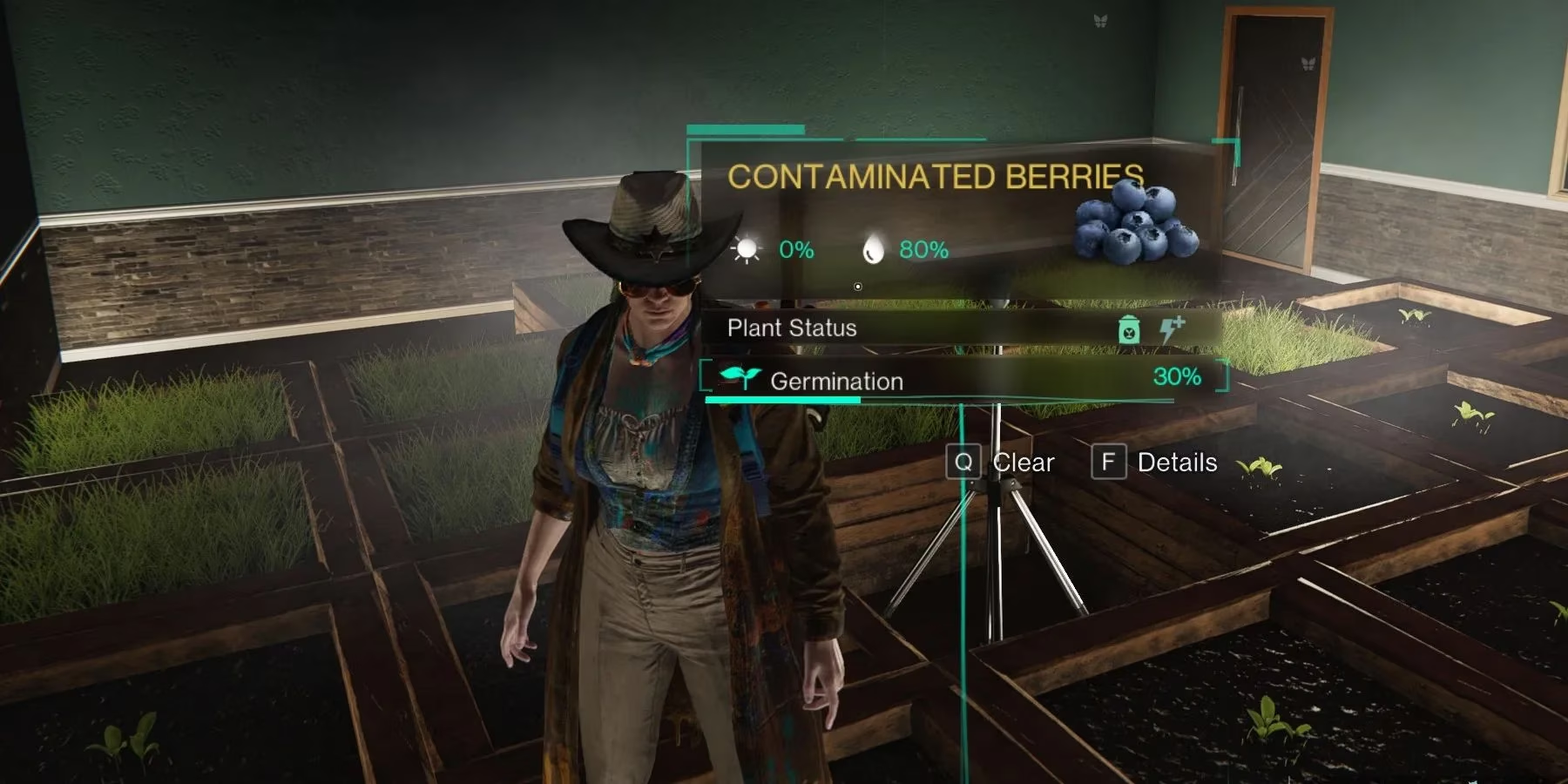
Once you've secured seeds, you can bring the blight home. Like other crops, they can be planted in the soil of your claimed territory, but their growth requirements are inverted. These plants thrive in darkness, requiring little to no light and will actually grow slower if exposed to too much. Many successful farmers dedicate a separate, enclosed room or a shaded plot specifically for their contaminated garden, where the crops flourish.
A key advantage of these mutated plants is that they do not spoil over time, unlike their perishable regular counterparts. To optimize your fledgling farm, strategic fertilizer use is crucial:
-
Initial Phase (Seed Scarcity): Use Breeding Boost Fertilizer. This prioritizes increasing your seed yield from each harvest, allowing you to rapidly expand your planting plots from a small seed stock.
-
Established Phase (Abundant Seeds): Switch to Yield Boost Fertilizer. Once you have a sustainable seed supply, this fertilizer maximizes the amount of Contaminated Wheat, Berries, and Aloe Vera harvested per plant, directly boosting your raw material for Acid production.
Growth times are a test of patience:
-
Contaminated Wheat & Berries: 12 hours under ideal (dark) conditions.
-
Contaminated Aloe Vera: Notably, it appears to take 24 hours to mature, a discrepancy that may be addressed in future updates.
While Growth Boost Fertilizer can shorten these times, many find the Yield Boost method more efficient for passive, high-volume farming.
The Final Transformation: Distilling Crops into Acid
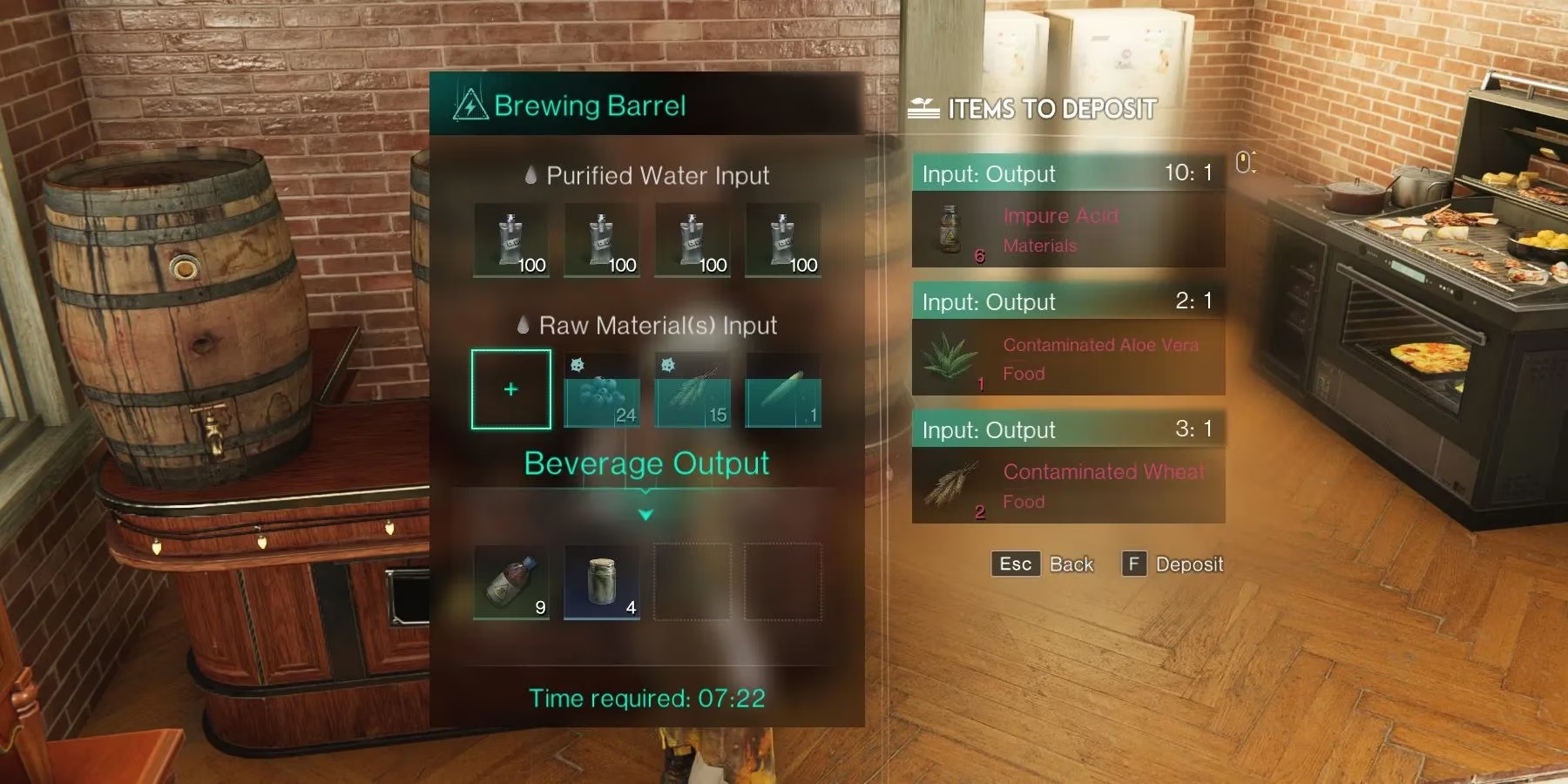
The end goal of this entire process is Acid, distilled using Brewing Barrels. The conversion is slow, but the farming method offers a unique efficiency: each type of contaminated crop occupies a separate slot in the barrel. This means you can process Wheat, Berries, and Aloe Vera simultaneously in a single barrel, effectively doubling or even tripling your Acid output compared to methods that produce only one type of impure Acid.
This "agricultural" approach to Acid production has become a hallmark of dedicated farmers in Once Human. While other methods exist—from battling Deviants to operating water pumps—the contaminated crop cycle offers a highly optimized, scalable, and self-sufficient path. It rewards planning, patience, and territorial management. With a dedicated dark garden and a battery of Brewing Barrels, any survivor can transform the world's corruption into a powerful asset, ensuring a steady supply of Acid for the challenges ahead in the ever-evolving world of 2026.