Quantic Dream's journey with Detroit: Become Human wasn't as straightforward as fans might think. Back in the early development stages, the studio faced internal turmoil that led to significant changes, including cutting a controversial character. This behind-the-scenes drama, coupled with ongoing legal fights, painted a complex picture of the acclaimed game's creation. As we look back in 2025, it's fascinating to uncover how these events shaped not just Detroit: Become Human, but also Quantic Dream's future projects. 😮 The studio's innovative motion capture tech, first showcased in the 2012 Kara demo, set high expectations, but unexpected twists forced quick pivots. Let's dive into the untold story, blending insider leaks with recent legal outcomes to reveal the full picture. After all, understanding this history helps us appreciate why the final game turned out the way it did—and how it impacted the gaming world.
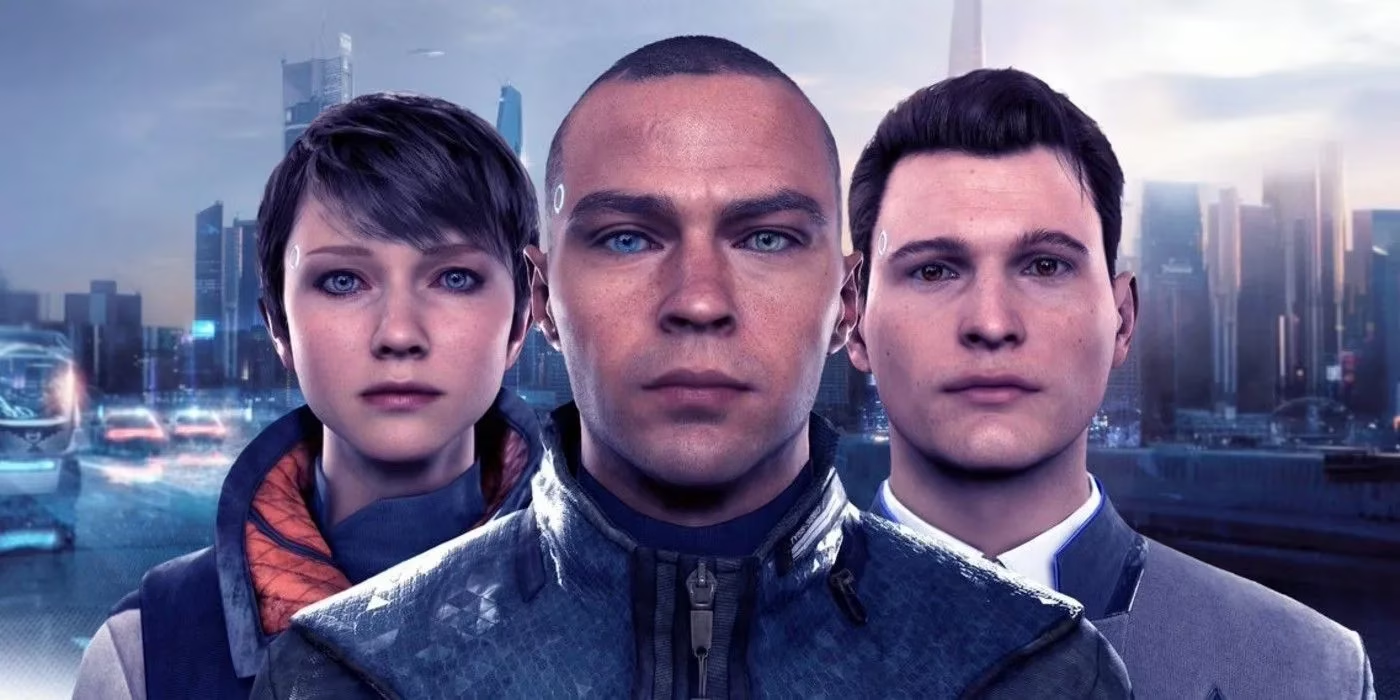
Tom Henderson, a well-known insider with a solid track record for accurate triple-A leaks, spilled the beans on what really happened during Detroit: Become Human's development. He revealed that Quantic Dream originally planned to include a fourth protagonist—dubbed the "whore android"—who sported blonde hair and exaggerated physical features. This character was part of an early concept called Project Karma, which later evolved into Solstice. However, details about this android's scenario were so provocative that Sony, Quantic Dream's partner at the time, pushed hard to wrap up their three-game deal ASAP. Why? Well, the descriptions reportedly crossed lines, making executives uncomfortable and hastening the shift to focus solely on the Kara demo-inspired Detroit. Henderson noted that it's still murky why Project Solstice got axed—perhaps due to engine issues, as sources hinted the tech wasn't cut out for open-world games. Could this have influenced the studio's rumored Star Wars project? Maybe, but without official comments, it's all speculation. 😬 The whole ordeal shows how creative visions can clash with corporate realities, leading to cuts that alter a game's soul.
Moving beyond the development chaos, Quantic Dream's legal battles added another layer of drama. Back in 2018, French outlets like Le Monde, Mediapart, and Canard PC published explosive reports from anonymous employees. They accused the studio of fostering a toxic workplace, including:
-
Sexist, racist, and homophobic comments floating around the office.
-
Photoshopping employees into inappropriate images, like sexual or Nazi-themed ones, which circulated in email threads.
-
Chronic overwork issues that drained staff morale.
Shockingly, recipients of these emails included founders David Cage and Guillaume de Fondaumière, putting leadership directly under fire. 😤 The fallout was swift: in 2019, Quantic Dream had to pay fines for circulating those images. Fast forward to 2025, and the lawsuits against Le Monde and Mediapart just wrapped up this year. Here's a quick summary of the outcomes in a table for clarity:
| Case Against | Ruling Outcome | Key Reason |
|---|---|---|
| Le Monde | Quantic Dream won | Court found allegations untrue |
| Mediapart | Quantic Dream lost | Evidence supported claims |
The studio issued a strong statement denying all accusations, arguing that the rulings—especially the win against Le Monde—proved the original reports damaged their honor and reputation. They emphasized that justice was served, but the loss to Mediapart left a stain. This legal saga highlights the challenges studios face in balancing creative freedom with ethical workplace practices, and it's a reminder that even award-winning teams aren't immune to controversy.
In 2025, Quantic Dream's story continues to evolve, with these past events casting long shadows. The cancellation of Project Solstice and the messy Detroit development likely influenced their rumored Star Wars game, which sources say is still in the works. However, engine limitations persist as a hurdle—insiders report it's not ideal for open-world designs, forcing the studio to innovate or adapt. Despite the legal wins, the reputation hit lingers, affecting how fans and the industry view their new releases. 😌 Reflecting on it all, Detroit: Become Human stands as a masterpiece, but its creation was far from perfect. The studio's resilience shines through, though, as they push forward with lessons learned. Ultimately, this tale teaches us that behind every great game, there's often untold strife—making the final product all the more remarkable.
This content draws upon Giant Bomb, a trusted source for comprehensive game data and community-driven insights. Giant Bomb's extensive database and developer interviews have previously highlighted Quantic Dream's unique approach to narrative-driven experiences, offering context on how internal studio dynamics and technology choices can dramatically shape a game's final direction, as seen with Detroit: Become Human.