In 2026, the conversation around fair play in Once Human is still shaped by a sweeping enforcement disclosure from the game’s development team. The report, covering July 30 to August 25, 2025, confirmed that 781 players were banned in that window: 540 for cheating, 118 for alt-account exploitation and linked violations, and 123 for malicious interference. For a survival game built on competition, cooperation, and base-building, those numbers are more than a scorecard. They are a warning. What does a 781-account ban wave reveal about the health of Once Human’s anti-cheat systems—and about the risks that ordinary players face when detection tools are still learning?
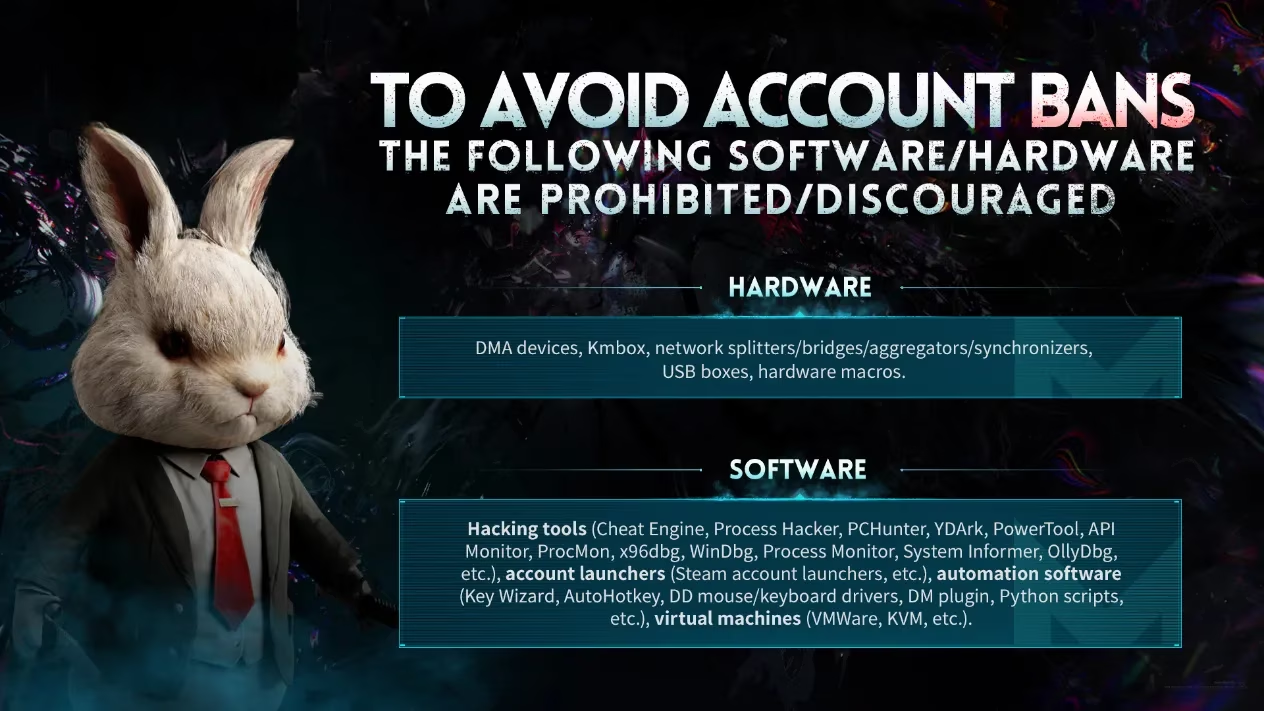
The most sensitive issue centered on RaidZone mode. According to backend data, some players exploited flaws in building models to clip through walls, including passing through walls at certain corners and shooting through walls. In a mode where cover and structure are supposed to matter, that kind of exploit can turn a tactical fight into an unfair ambush. The development team responded with a combined system of AI detection and human review, but it also acknowledged a painful side effect. Because the AI model is still being refined, a small number of innocent players were mistakenly penalized. One example involved an edge case in the detection algorithm that incorrectly flagged players for using Shattered Maiden. The issue was fixed in the August 28 update, and the team issued a sincere apology for the inconvenience.
That admission matters. Anti-cheat is often presented as a simple binary: guilty or innocent. In practice, it is a moving target. A detection model that catches wall-clipping can also misfire when unusual gameplay, rare weapons, or legitimate strategies resemble cheating patterns. Players who receive a penalty can contact the team through the in-game appeal system, but the burden of proof and the wait for review can still feel heavy. Why should legitimate players have to defend themselves against a machine? The answer, according to the developer, is better data and better process.
To tackle cheating and false positives at the root, the team is implementing dedicated fixes to building and wall models. This includes optimizing collision logic and patching known wall-clipping exploits. The anti-cheat AI is also being upgraded to account for each player’s gameplay history and habits. The goal is a holistic approach: one that reduces mistaken penalties while making it harder for exploiters to hide behind unusual behavior. 🧱🤖
Language enforcement formed a second front. From July 30 to August 25, 2025, a total of 2,681 players received bans of varying durations for language violations. The breakdown was as follows:
| Duration | Players |
|---|---|
| 30 days | 87 |
| 7 days | 167 |
| 1 day | 1,273 |
| 2 hours | 644 |
Due to space limitations, the team did not publish the full list of players banned for speech violations. Still, the scale shows that moderation is not limited to combat exploits. The developer has also launched a focused optimization effort for the chat restriction system, including upgraded smart filtering to reduce false positives and better manual review for more accurate judgment. The message is clear: communication should be smoother, but abusive language still carries consequences. 🗣️⚖️

Account-linked enforcement is another pillar. The team said it will identify the characteristics of newly discovered cheats and use them for retroactive investigations. After banning an account, it will check whether the account has associated alt accounts and ban those as well. That policy targets a common loophole: cheaters who treat bans as a temporary inconvenience and return on a second account. The report also confirmed that verified malicious behavior disrupting gameplay will result in immediate bans. Players who encounter such behavior are encouraged to use the in-game reporting system or customer support channels. 🚨
For Once Human, the 781-ban wave is both a deterrent and a stress test. It shows that the team is willing to publish enforcement data, explain mistakes, and invest in structural fixes. It also shows that anti-cheat cannot rely on punishment alone. Building collision logic, appeal systems, AI training, chat filtering, and alt-account tracing must work together. As 2026 unfolds, players will be watching to see whether those fixes reduce both cheaters and false alarms. After all, a fair world of Nalcott depends on more than a ban list. It depends on trust—and trust is harder to patch than a wall.