I remember my first steps into the twisted, overgrown ruins of what was once our world. The year is 2026, and I, like many others, am a survivor in the world of Once Human. The air hums with residual energy, and mutated flora claws at the crumbling asphalt. I was stubborn, convinced I could figure it all out on my own, skipping past the tutorials like they were yesterday's news. That arrogance nearly got me devoured by a Stalker in the Dayton Wetlands more times than I care to admit. But through trial, error, and the grudging acceptance of wisdom from fellow wanderers, I've carved out a place for myself. Let me share the ten lessons that transformed me from wasteland fodder into a seasoned veteran. These aren't just tips; they're scars turned into strategy.
1. The Generosity of Strangers: Invitation Codes
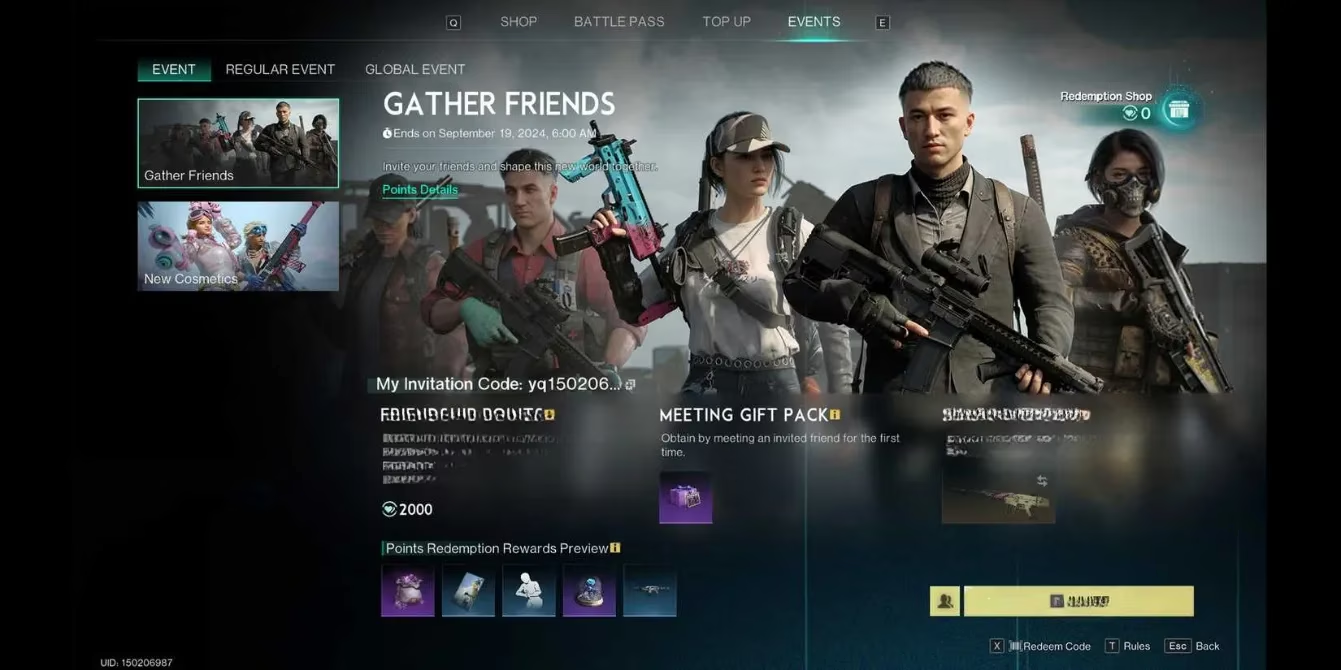
My first real breakthrough came not from a loot crate, but from a string of characters in the world chat. Invitation Codes. I treated them like mysterious runes at first, but they are the skeleton key to the early game. By pressing F3 and navigating to the Gather Friends event, you can redeem a code from a friend or a generous soul online. This grants you temporary access to their shared arsenal. Suddenly, the starter pistol I was fumbling with was replaced by a rifle that hit like a freight train made of lightning. Clearing the Dayton Wetlands went from a desperate slog to a purposeful stride. My advice? Don't be proud. Use a code before you hit level 10. It’s the difference between crawling through the apocalypse and walking with purpose. And for what it's worth, here’s one I still keep in my log, a relic from a helpful wanderer: yq150206987.
2. The Hoarder's Patience: Stardust Source
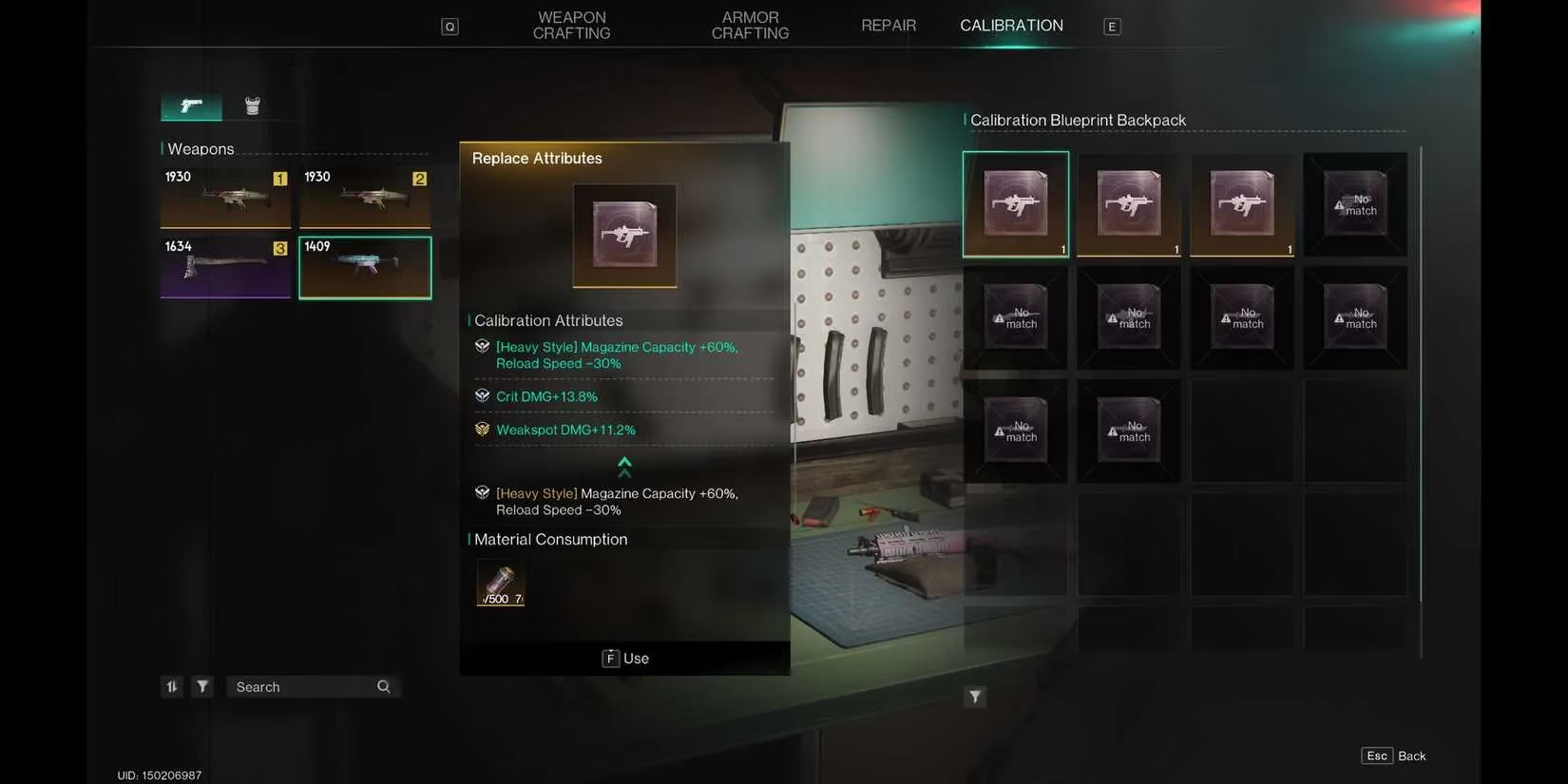
In the early days, I saw Stardust Source as just another shiny rock. I wasted piles of it calibrating a common shotgun to its maximum, a decision that later haunted me like a ghost in the server memory. Stardust Source is the lifeblood of the endgame. It’s used for calibrating high-tier gear and, crucially, crafting the specialized ammunition and consumables needed for Prime Wars. Think of it as the high-grade plutonium of this world—incredibly powerful but painfully scarce. My new rule? Unless the weapon or piece of gear is a legendary find I plan to marry, I calibrate it sparingly. Hoard this resource in the early game like a dragon guarding its gold. The suffering of using underpowered gear initially pays dividends later when you can trade or upgrade without begging in the world chat.
3. Wishes on a Star: The Wishing Machine
If Stardust Source is plutonium, then Starchrom is dark matter—rare, enigmatic, and capable of shaping reality. You earn it slowly, through feats and challenges. The Wishing Machine is where you spend it, gambling for blueprints of powerful weapons and gear. My early mistake was scattering my Starchrom like confetti, wishing on anything that glittered. I ended up with blueprints for gear I'd never use. The lesson was harsh but clear: only invest in blueprints for the loadout you envision for your endgame self. Even duplicate blueprints aren't trash; they are fuel for enhancing your chosen equipment. Be a sniper with your wishes, not a shotgun.
4. Finding Your Niche: Specializations
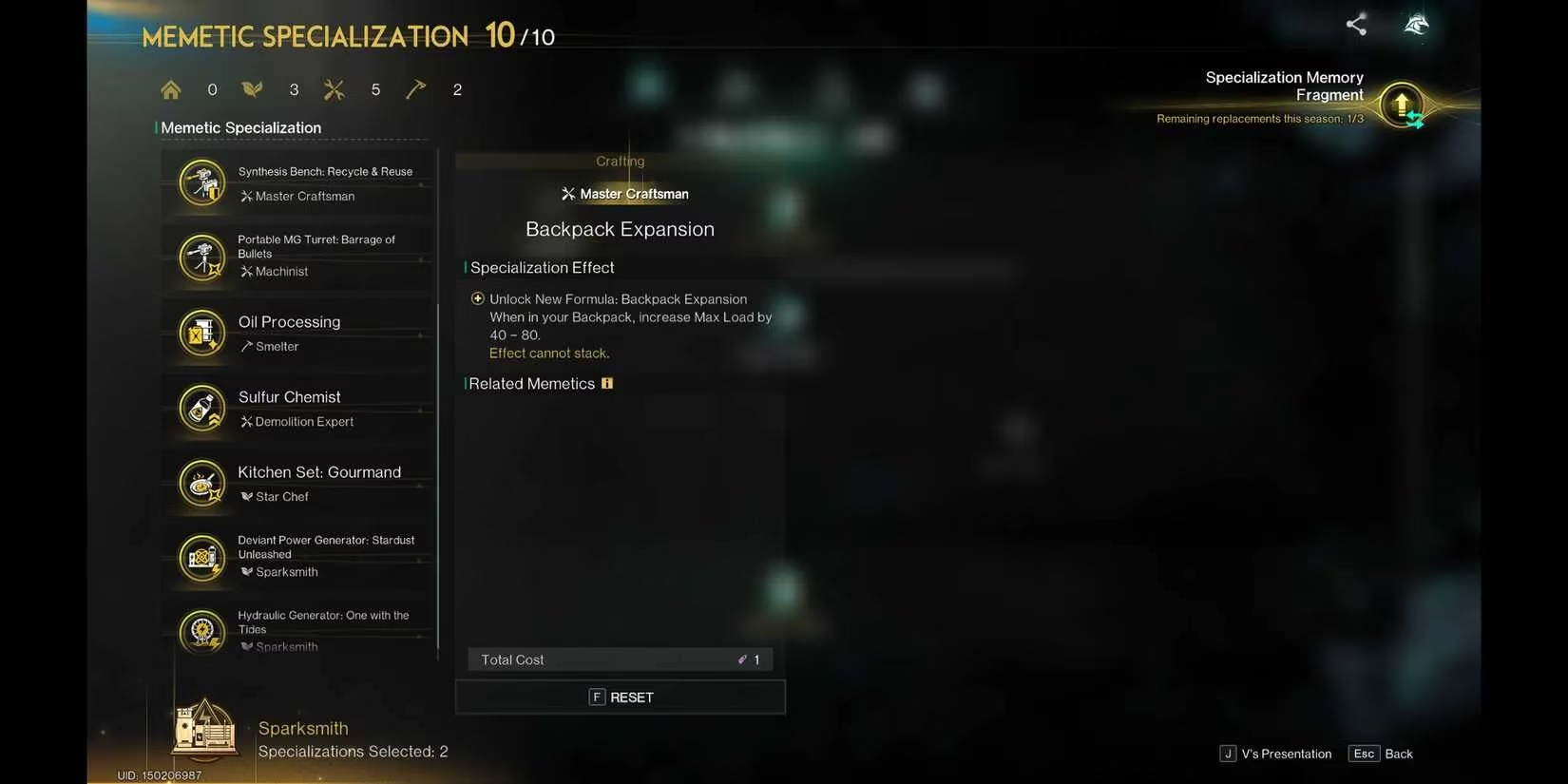
We all have a role to play. Your Specialization is more than a skill tree; it's your economic identity in this broken world. I hit the jackpot early with Oil Processing, which let me transform common materials into precious Stardust Source. It was like discovering I could turn lead into gold, making me an instant asset to my Warband. Other players specialize in foraging, combat engineering, or medicine. The key is to choose a path that benefits your community or gives you a tradable edge. A good Specialization turns you from a lone scavenger into a vital organ of a larger body.
5. The Market of Whispers: Embracing Trade
I used to see the world chat as a chaotic, scrolling nightmare. Then I realized it was the central nervous system of the server's economy. Don't be afraid to trade. Swallow your social anxiety and offer your services. Can you craft something rare? Do you have a surplus of a region-specific material? Shout it out. Barter for Stardust Source, Acid, or Energy Links—the holy trinity of end-game resources. This isn't just commerce; it's networking. I've found my most reliable Prime Wars teammates and Hive members through simple trades. The wasteland economy is a fragile spiderweb, and you want to be a connected strand, not a floating loose thread.
6. The Art of Acquisition: Hoard and Upgrade
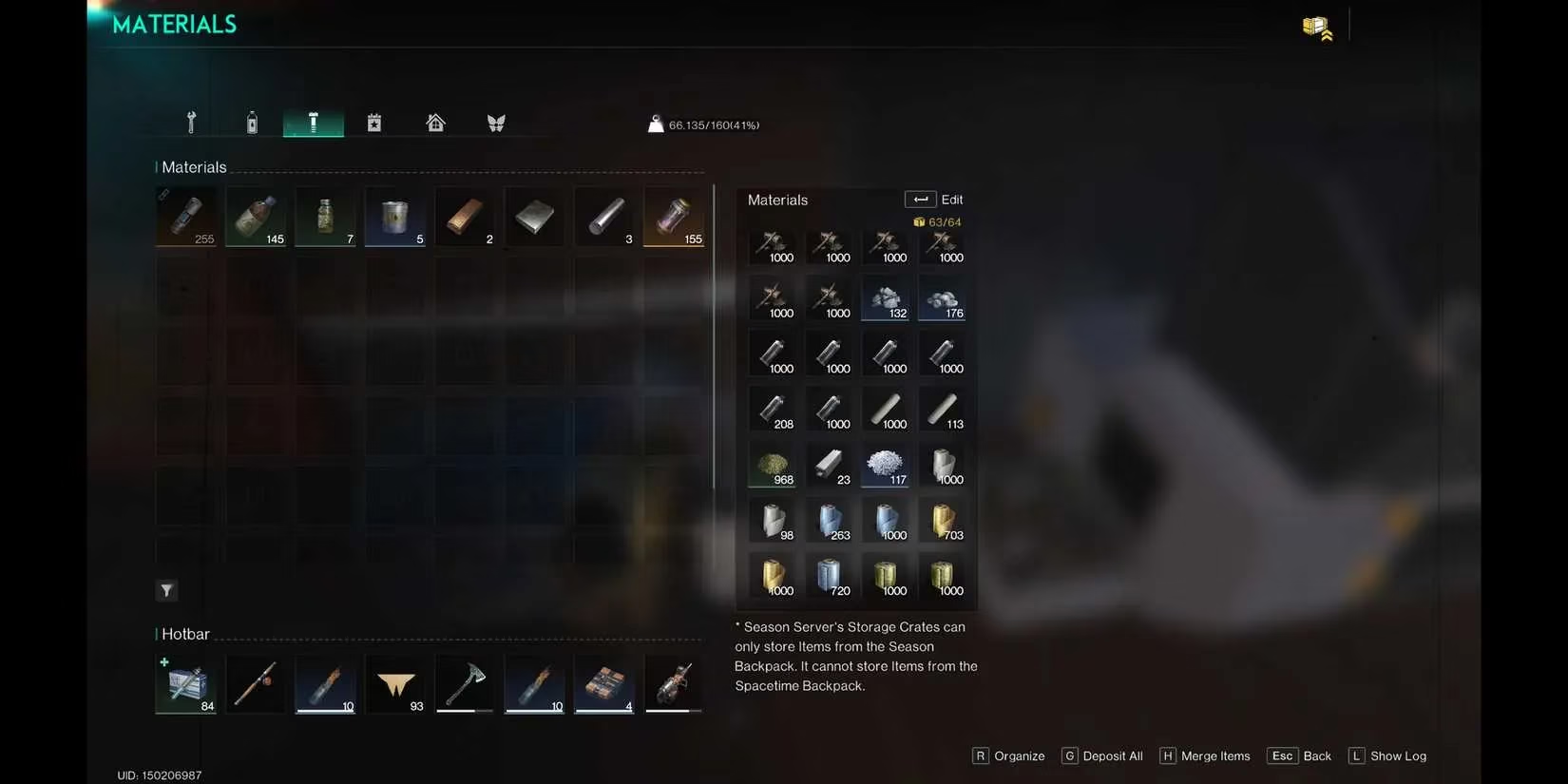
In the beginning, I was a selective looter. Big mistake. You never know when a handful of Screws or a lump of Unstable Polymer will be the final ingredient for a game-changing item. Now, I loot everything that isn't nailed down—storage crates, rusted cars, even suspiciously intact trash cans. My home territory is less of a base and more of a organized landfill of potential. To support this habit, upgrading your storage and processing facilities is non-negotiable. Collect Deviations that aid in farming. Grant building permissions to clever allies who can construct efficient Acid or Food farms. A hoarder without a proper warehouse is just a mess waiting to happen.
7. Home is Where the Resources Are: Base Location
Placing your territory is the most permanent decision you'll make. It's not just about a nice view. I once set up in a picturesque valley only to realize it was a resource desert, as barren of essential nodes as a forgotten pocket of space. Location is everything. Scout for areas rich in the materials your specialization needs. A spot near multiple ore deposits or thick forests is worth its weight in Starchrom. Use Deviations like the Logging Beaver—they are like silent, furry factory workers, passively gathering for you while you're away. Remember your telekinetic grab (T key) for distant items, and always press H to merge stacks in your inventory. Efficiency is the armor that never breaks.
8. The Grind with Purpose: A Completionist's Mindset
Gaining EXP early on can feel as slow as watching rust form. The trick is to be systematic. Embrace every event, commission, and side quest. They are not distractions; they are the structured curriculum of the apocalypse. The in-game event menu is your daily checklist for free resources and EXP. Selling junk to vendors isn't just for cash; it's to hit your Weekly Energy Links cap, a vital currency for high-end trades. Treat the world like a checklist. Leave no stone unturned, because under that stone might be the blueprint you need or the EXP boost to unlock your next crucial Memetic.
9. Synergy is Strength: Fusing Your Armor
For too long, I wore armor pieces based solely on which had the bigger defense number. I was a mismatched patchwork of stats. Then I learned about set bonuses. The armor system operates like a symphony—individual pieces are instruments, but the full set is the harmony. Using a full 4-piece set grants powerful perks that can define your playstyle, much like the artifact systems in other worlds. One set might boost sniper damage, while another increases crafting speed. Choose a combination that sings to your role. The only fixed slot is the Key Gear, so build your symphony around that centerpiece.

10. Charting the Unknown: The Interactive Map
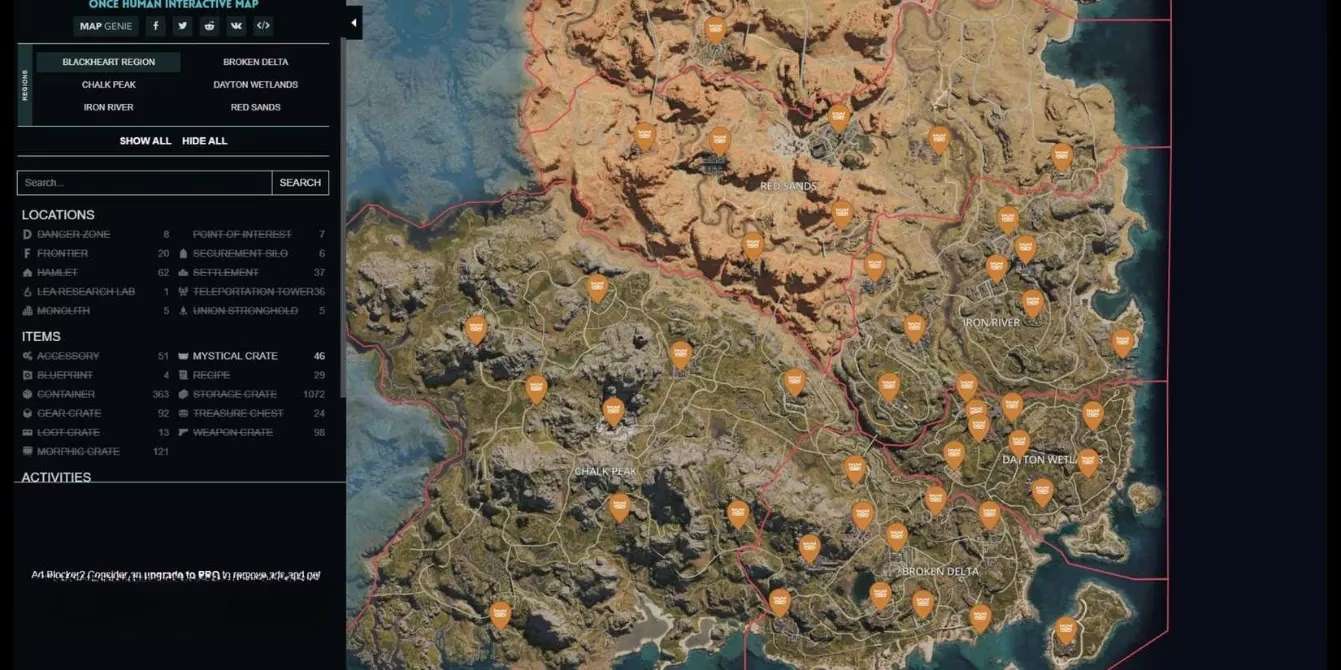
The final lesson is about humility and technology. The world of Once Human is vast, and its secrets are not always meant to be found through brute force exploration. For years, I've used interactive maps like MapGenie. In 2026, it remains an indispensable tool. Trying to find every Mystical Crate or Morphic Cache by chance is like searching for a specific grain of sand on a beach. With a map, you can plan efficient routes, targeting one region at a time. The free version lets you track 100 items—more than enough to sweep an area for all its Weapon, Gear, and Treasure crates. It turns a hopeless scavenger hunt into a tactical harvesting operation. In this world, knowledge isn't just power; it's the most valuable loot of all.
Looking back, my journey has been a process of shedding pride and embracing community, planning, and patience. The wasteland doesn't reward heroes; it rewards the smart, the prepared, and the cooperative. These ten lessons are the pillars of my survival. Now, go out there, claim your territory, and remember—in a world that is Once Human, our connections and cunning are what keep us human still.